
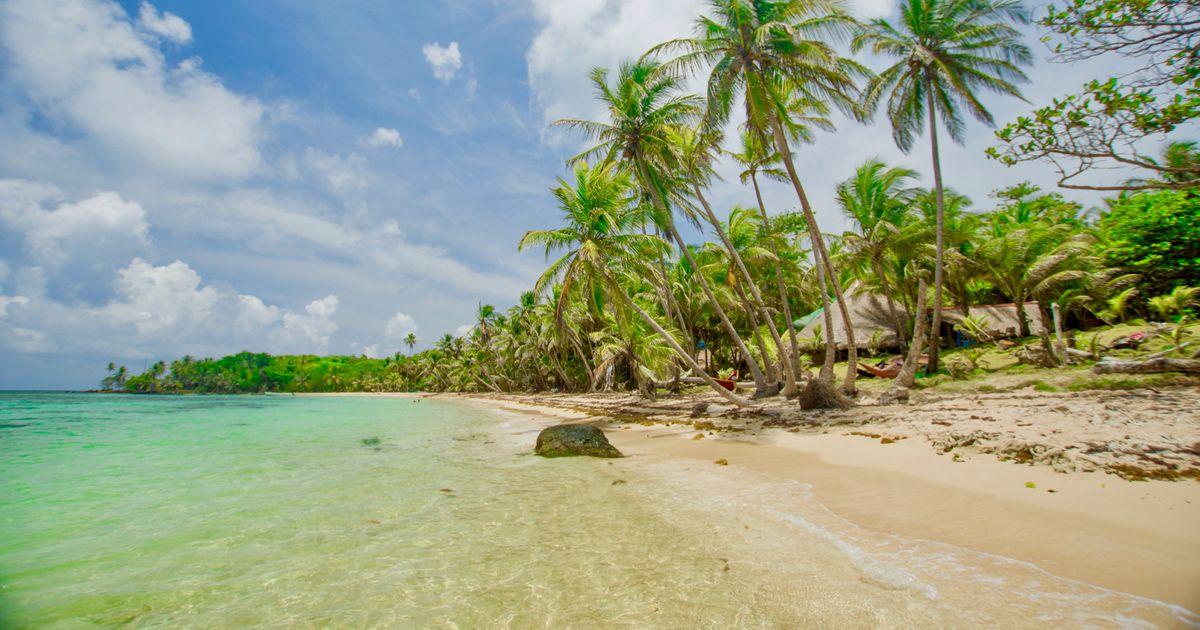
A first Nicaragua itinerary does not need to include every place on the map. It needs to make sense for the person travelling. Before choosing hotels or excursions, decide what you most want from the journey: time in histori cities, nature experiences, an island stay, the Pacific coast, or a combination that leaves room to rest. Write down two priorities. They will help you choose between an enjoyable route and a schedule that spends too much time moving.
Count usable days, not calendar dates
Begin with your arrival and departure arrangements. A travel date is not automatically a full sightseeing day. Mark the nights available, then allow space for transfers, check-in and connections. This is particularly useful when considering an island or river region. Put the essential journeys into the plan before filling the gaps with activities. You may find that removing one stop creates a better experience in the places that remain.
Choose a clear route
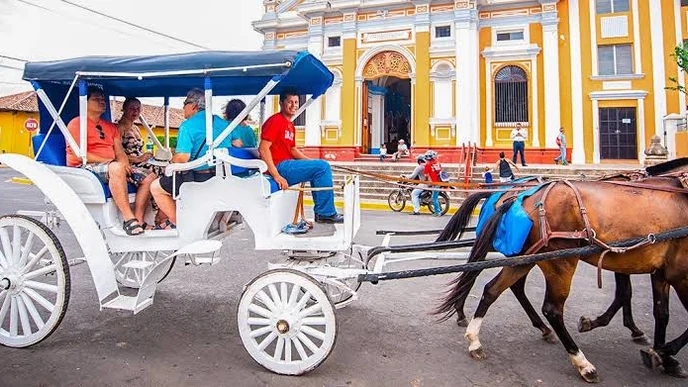
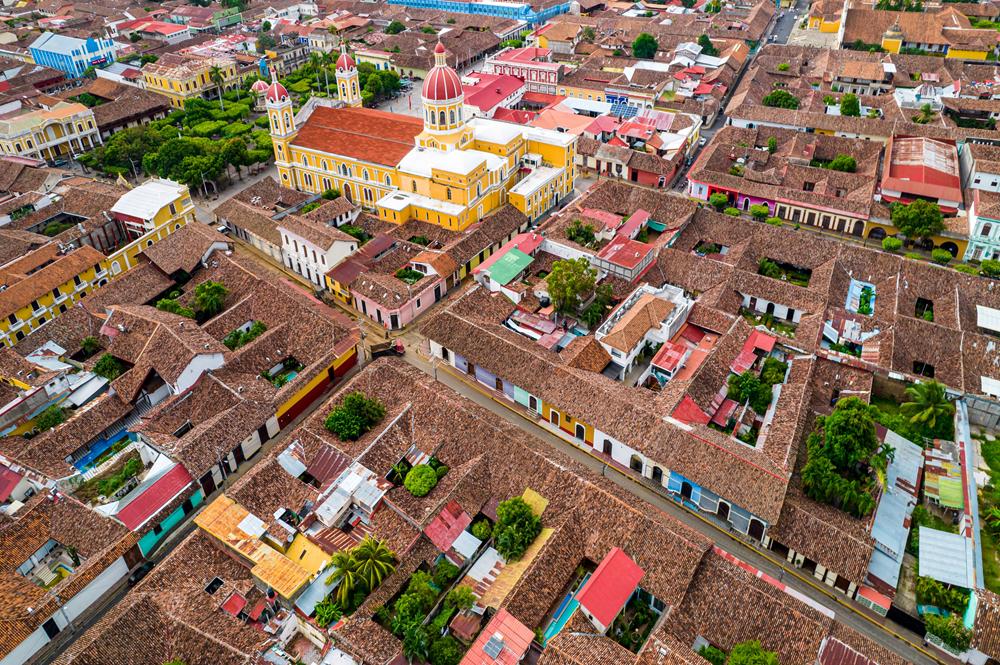
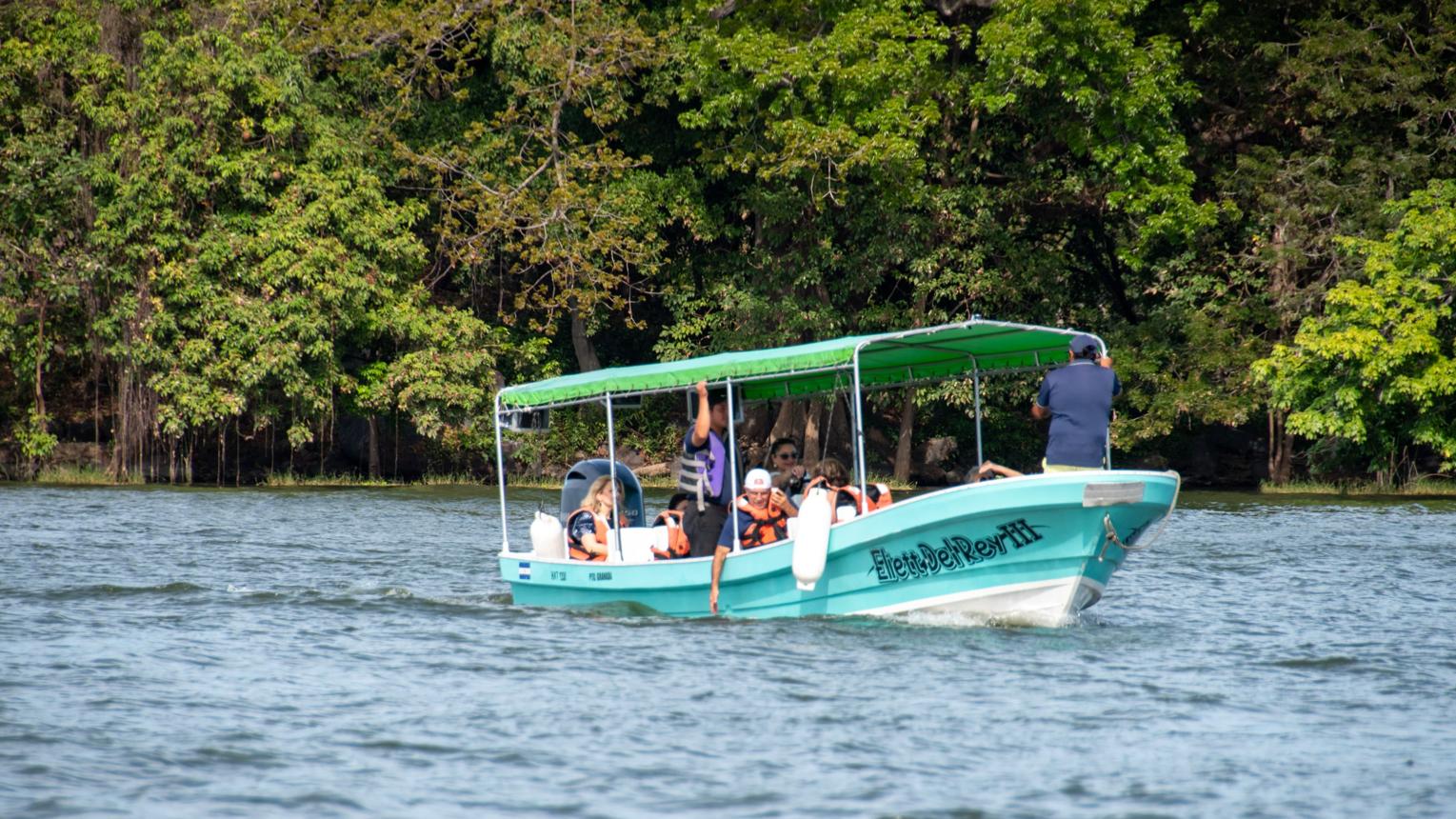
For an introduction focused on cities and nearby landscapes, consider Granada and León, then choose a nature or coastal chapter that fits your time. If an island stay is the priority, build the route around that connection rather than adding it at the end. These are planning approaches, not fixed packages. Granada can introduce colonial streets, the islets of Lake Nicaragua and the Mombacho area. León adds another historic city with a different cultural setting. The right combination depends on your interests and the practical route.
Match experiences to the group
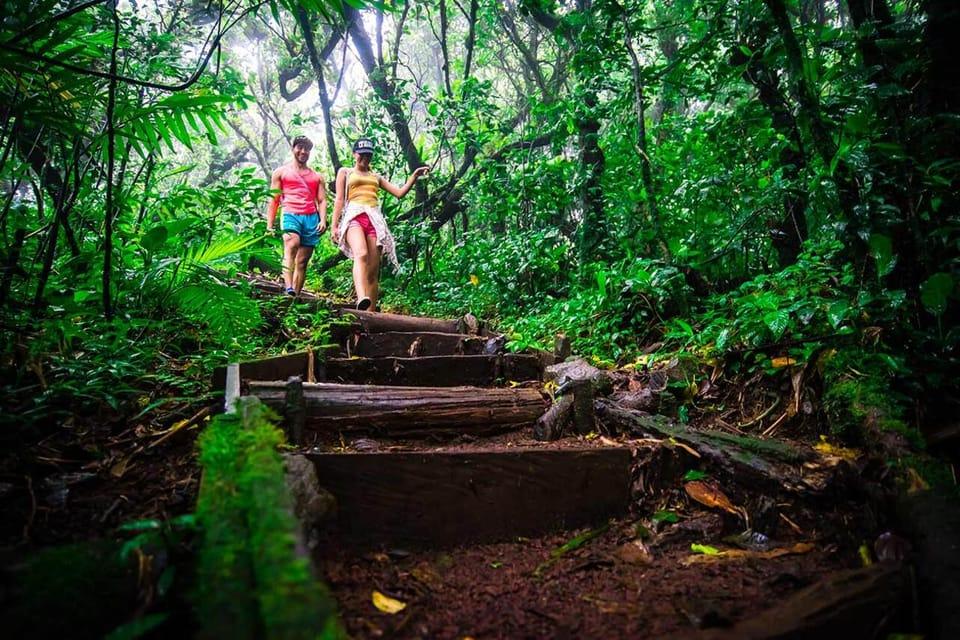
Ask specific questions before choosing an activity. How long is the walk? What terrain is involved? Is transport included? How much time is actually spent at the place you want to see? A gentle forest visit, a longer volcanic hike and a day near the water require different planning. Tell your planner about mobility needs, preferred activity level and the pace that makes a holiday enjoyable for you.
Leave one part of the day open
An itinerary becomes more personal when it includes time to follow a small discovery: a craft shop, a city square or a view you want to enjoy for longer. Treat those pauses as part of the plan. They also make it easier to adjust when weather or connections change. Keep essential arrangements clear, but avoid giving every hour a task.
Your first planning checklist
Before confirming the route, check the number of nights, the order of destinations, the travel between them, the physical demands of activities and the terms of each booking. Review current access arrangements close to the travel date. Explore Oro Travel’s destination pages to build your shortlist, then discuss the combination with a local planner. The goal is a route that connects the places you want to see with the way you actually want to travel.



Leave A Comment